What Affects Rates in Ketchikan
- With only North and South Tongass Highways plus a handful of connector roads, Ketchikan's entire road system fits within 30 miles. This compressed network means accident frequency is lower than mainland Alaska cities, but when crashes occur on the narrow two-lane Tongass corridors, they often block the only route available. Drivers seeking minimum coverage benefit from statistically fewer collision opportunities.
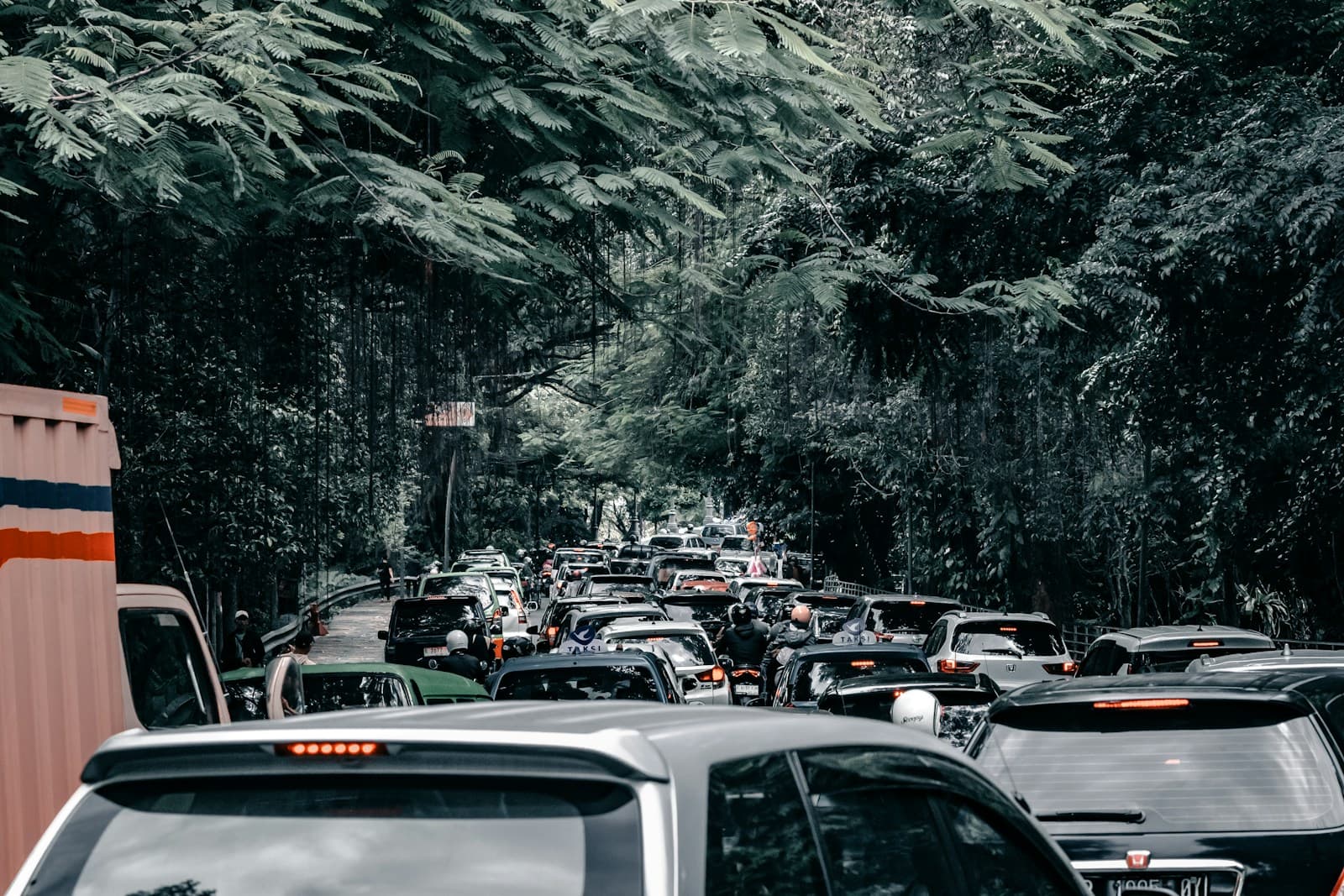
- Between May and September, cruise ships bring up to 10,000 passengers per day to a town of 8,000 residents, creating traffic spikes along Stedman Street and the waterfront downtown. Rental car traffic and tour buses concentrate near Creek Street and the Saxman Native Village turnoff. Liability claims tick up during these months despite the short-term nature of the congestion.
- Ketchikan receives over 150 inches of rain annually, making it one of the wettest cities in the U.S. Roads stay wet nearly every day, and moss growth on shoulders is constant. Comprehensive claims for weather-related damage are common, but drivers with older vehicles often skip comp coverage to save $150-$300/year, accepting the risk of rain-related windshield cracks and rust.
- No road connects Ketchikan to the rest of Alaska, so the Alaska Marine Highway ferry and floatplanes are the only vehicle access routes. This isolation means stolen vehicles have nowhere to go, keeping theft rates near zero and comprehensive premiums lower than mainland cities. However, it also means drivers replacing totaled cars face shipping costs that can exceed $1,500.
Find the minimum coverage that meets your state's requirements
Compare liability-only rates from carriers in your state — and see what discounts you qualify for.
Get Your Free QuoteCoverage Recommendations
Cost estimates are based on available industry data and vary by driver profile. These are not insurance quotes.
Liability Only
Covers damage you cause on rain-slick Tongass corridors or during cruise season congestion downtown.
$420-$580/yearEstimated range only. Not a quote.
Full Coverage
Adds protection for your vehicle in Ketchikan's constant rain and moss-slick roads, but costs $1,200-$1,800/year for older vehicles with low book value.
$1,200-$1,800/yearEstimated range only. Not a quote.
Uninsured Motorist
Ketchikan's small population and ferry isolation mean uninsured rates are lower than rural Alaska, making this an optional add for $80-$150/year.
$80-$150/yearEstimated range only. Not a quote.
Comprehensive Only
Addresses Ketchikan's rain and windshield damage risks while skipping collision on older vehicles, typically $200-$350/year.
$200-$350/yearEstimated range only. Not a quote.