What Affects Rates in St Joseph
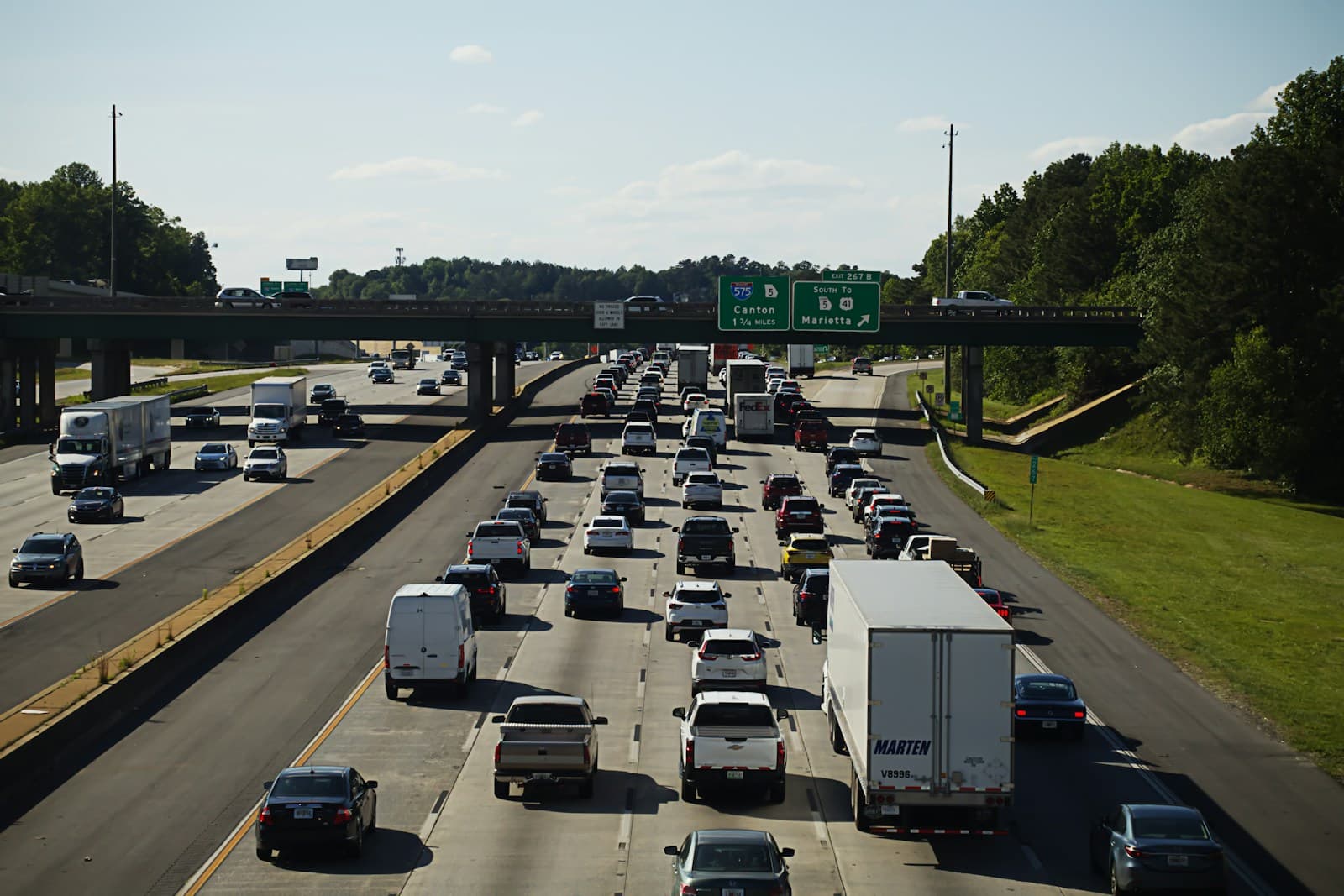
- I-29 carries significant truck traffic between Kansas City and Council Bluffs, with frequent slowdowns near the Frederick Avenue and Belt Highway exits during morning and evening peaks. Accidents involving commercial vehicles create liability exposure for minimum coverage drivers who could face substantial out-of-pocket costs if found at fault. The US-36 corridor sees similar heavy truck presence heading east toward Cameron and Chillicothe.
- Northwest Missouri shows uninsured motorist rates above 15%, particularly along rural corridors feeding into St. Joseph from Savannah, Wathena, and smaller communities. If you're carrying only minimum liability to save money, you have zero protection if an uninsured driver hits you—you pay all repair costs yourself. This risk concentrates along Belt Highway and North Belt where rural and urban traffic merge.
- The Missouri River floodplain affects South St. Joseph neighborhoods and low-lying areas near Stockyards Expressway. Comprehensive coverage protects against flood damage, but adds $25-40/month—money many older vehicle owners choose to save. If your car is worth under $3,000 and you park in flood-risk zones, you're gambling that water won't reach your vehicle during spring high-water events.
- St. Joseph's property crime rates run below Kansas City but above rural Missouri averages, with vehicle thefts concentrated in areas near downtown and older residential zones around Noyes Boulevard and St. Joseph Avenue. Comprehensive coverage addresses theft, but if your vehicle is worth $2,500, paying $360/year for comp coverage recovers your deductible-adjusted value in under two years—a questionable investment for budget drivers.
- Ice storms and snow events from November through March create collision risks, particularly on Belt Highway overpasses and along Frederick Avenue hills. Collision coverage would protect you in weather-related accidents, but costs $60-100/month for older vehicles. Drivers prioritizing affordability accept the risk that a winter slide means paying out-of-pocket for their own vehicle damage.
Find the minimum coverage that meets your state's requirements
Compare liability-only rates from carriers in your state — and see what discounts you qualify for.
Get Your Free QuoteCoverage Recommendations
Cost estimates are based on available industry data and vary by driver profile. These are not insurance quotes.
Minimum Liability Only
Adequate for older vehicles in St. Joseph where your car's value may be under $3,000 and full coverage premiums exceed the vehicle's worth within two years.
$35-55/monthEstimated range only. Not a quote.
Liability with Uninsured Motorist
Northwest Missouri's 15%+ uninsured rate makes this relevant along Belt Highway and rural feeder routes where enforcement is lighter.
+$8-15/monthEstimated range only. Not a quote.
Full Coverage (Collision + Comprehensive)
Adds $90-140/month in St. Joseph; if your vehicle is worth $4,000 with a $500 deductible, you're paying $1,080-1,680/year to protect $3,500 net value.
$125-195/month totalEstimated range only. Not a quote.
Comprehensive Only
Protects against Missouri River flood risk and vehicle theft in downtown zones for $25-40/month, avoiding the higher collision premium.
+$25-40/monthEstimated range only. Not a quote.