What Affects Rates in Rochester
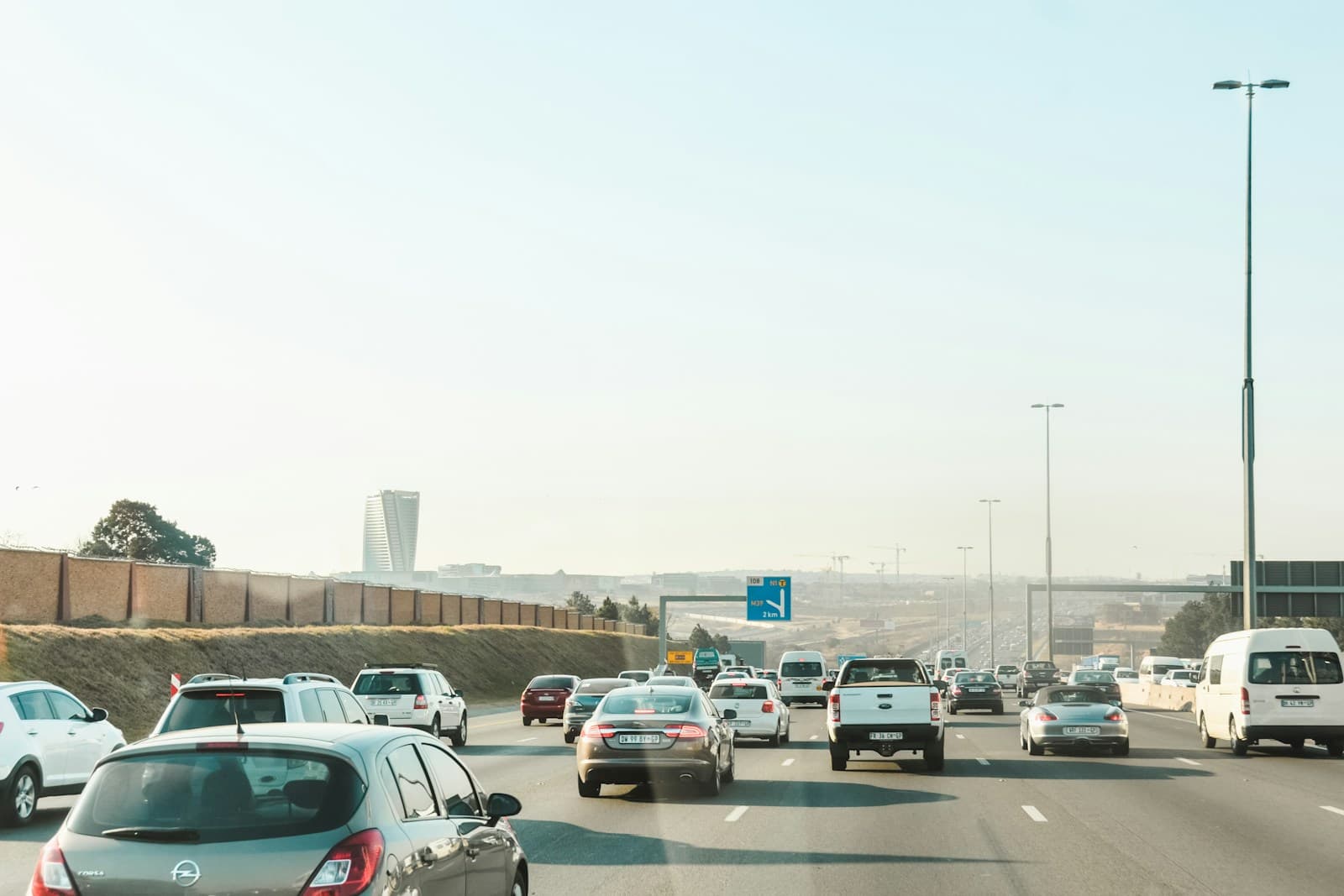
- Most Rochester drivers depend on the Spaulding Turnpike (NH-16) for work commutes to the Seacoast. This highway sees frequent rear-end collisions during morning and evening rushes, particularly near Exit 15. Higher daily mileage and highway exposure increase accident probability, which insurers factor into rates even for minimum coverage policies.
- The downtown corridor along North Main Street and the Gonic neighborhood see higher pedestrian activity and older road infrastructure. Fender-benders at intersections like Wakefield Street and Portland Street are common. Drivers parking on-street or in municipal lots face slightly elevated comprehensive claims from minor vandalism and shopping cart damage.
- Rochester receives 50–60 inches of snow annually, and secondary roads in East Rochester and areas near Rochester Hill can go hours without plowing. Single-vehicle slide-offs on icy mornings spike liability claims. Minimum coverage won't pay for your own vehicle damage in weather-related accidents, leaving you fully exposed if you slide into a ditch or guardrail.
- Strafford County has a higher-than-average uninsured motorist rate compared to coastal NH counties. If an uninsured driver hits you on Route 11 or Rochester Neck Road, your minimum liability policy pays nothing for your injuries or vehicle damage. Optional uninsured motorist coverage adds $80–$150/year but protects against this gap.

Find the minimum coverage that meets your state's requirements
Compare liability-only rates from carriers in your state — and see what discounts you qualify for.
Get Your Free QuoteCoverage Recommendations
Cost estimates are based on available industry data and vary by driver profile. These are not insurance quotes.
Liability Only (25/50/25)
Adequate for older cars not worth repair costs after a Spaulding Turnpike accident, but leaves you exposed if you slide off Route 125 in winter.
$580–$750/yearEstimated range only. Not a quote.
Liability + Collision
Protects against repair costs from rear-end collisions near Exit 15 or icy slide-offs on Rochester Hill, but adds $600–$900/year for vehicles worth under $5,000.
$1,180–$1,650/yearEstimated range only. Not a quote.
Full Coverage
Rarely cost-justified for vehicles worth under $4,000; comprehensive claims in Rochester average $800–$1,200, while premiums add $300–$500/year over liability-only.
$1,480–$2,100/yearEstimated range only. Not a quote.
Uninsured Motorist
Strafford County's elevated uninsured rate makes this worth considering at $80–$150/year, especially for regular Route 16 commuters.
+$80–$150/yearEstimated range only. Not a quote.