What Affects Rates in Grand Forks
- The 1997 flood reshaped local insurance underwriting. While comprehensive coverage protects against flood damage, minimum liability policies leave you exposed if your vehicle is totaled by rising water. Parking in low-lying areas near the Greenway or older neighborhoods close to the river carries higher risk during spring thaw.
- Gateway Drive (US-2) handles the bulk of commercial traffic and connects Grand Forks AFB to the city center. Rear-end collisions spike during winter months when black ice forms on the corridor between I-29 and Columbia Road. This stretch sees the highest claim frequency in the city, affecting rates for drivers who commute this route daily.
- University Avenue and Columbia Road near campus see elevated accident rates during academic terms. Young drivers, pedestrian traffic, and parking congestion create collision risks. If you have an older vehicle worth under $3,000, consider whether collision coverage justifies the cost given higher deductibles in this zone.
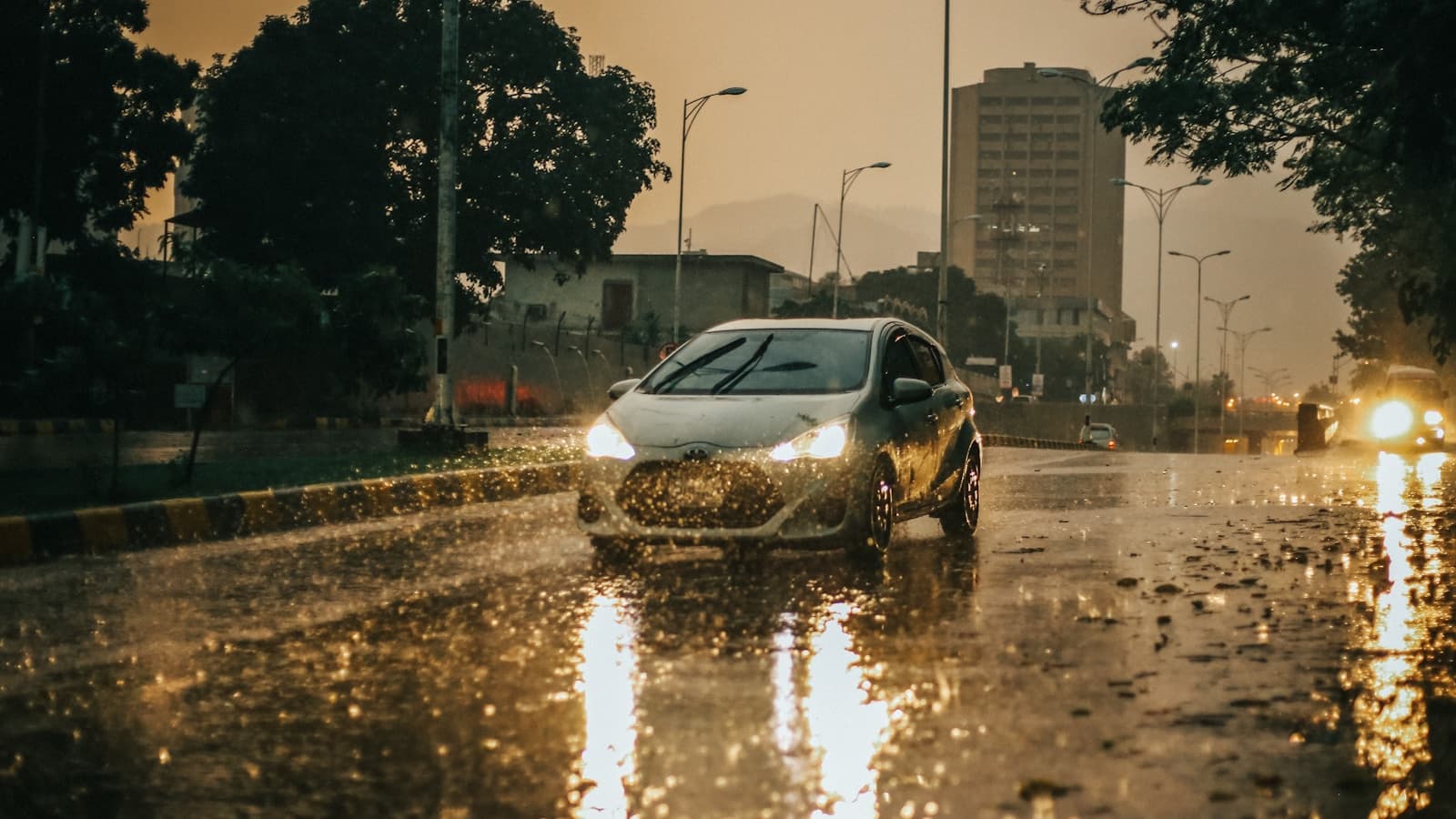
- Grand Forks averages 50 inches of snow annually with temperatures dropping below -20°F regularly. Single-vehicle accidents on icy roads from November through March drive liability claims. Minimum coverage protects you from lawsuits if you slide into another vehicle, but pays nothing for your own repairs.
- The Air Force Base brings stable employment and lower crime rates to the region, which moderately suppresses theft-related comprehensive claims. However, increased traffic on North Washington Street and Highway 220 during shift changes adds collision risk during rush periods.
Find the minimum coverage that meets your state's requirements
Compare liability-only rates from carriers in your state — and see what discounts you qualify for.
Get Your Free QuoteCoverage Recommendations
Cost estimates are based on available industry data and vary by driver profile. These are not insurance quotes.
Liability Only (Minimum)
Covers you if you slide into another vehicle on icy Gateway Drive but pays nothing for your own car repairs.
$320-$450/yearEstimated range only. Not a quote.
Liability + Comprehensive
Worth considering if you park near the Red River Greenway or in flood-prone areas during spring thaw.
$480-$680/yearEstimated range only. Not a quote.
Full Coverage
Most cost-effective for newer vehicles or if you have a loan; hard to justify on cars worth under $4,000 after factoring in deductibles.
$920-$1,340/yearEstimated range only. Not a quote.
Uninsured Motorist
About 8% of Grand Forks drivers lack coverage; adds $60-$90/year for protection against at-fault uninsured drivers.
$60-$90/yearEstimated range only. Not a quote.